Last week, I received a wire transfer to my bank account. The beneficiary was Super Awesome Lab, a business I had registered back in November. It was a modest sum of $900, but for me, it was a huge milestone: my company was cashflow positive!
Let's rewind. In February of 2019, I started working on a lead aggregator website serving schools that offer creative diploma programs. It might seem like an outrageously random niche to target, but I had just left my job in the marketing department of Toronto Film School, where I had witnessed my colleagues' frustration dealing with shady lead aggregators. I thought they, and the market, deserved better.
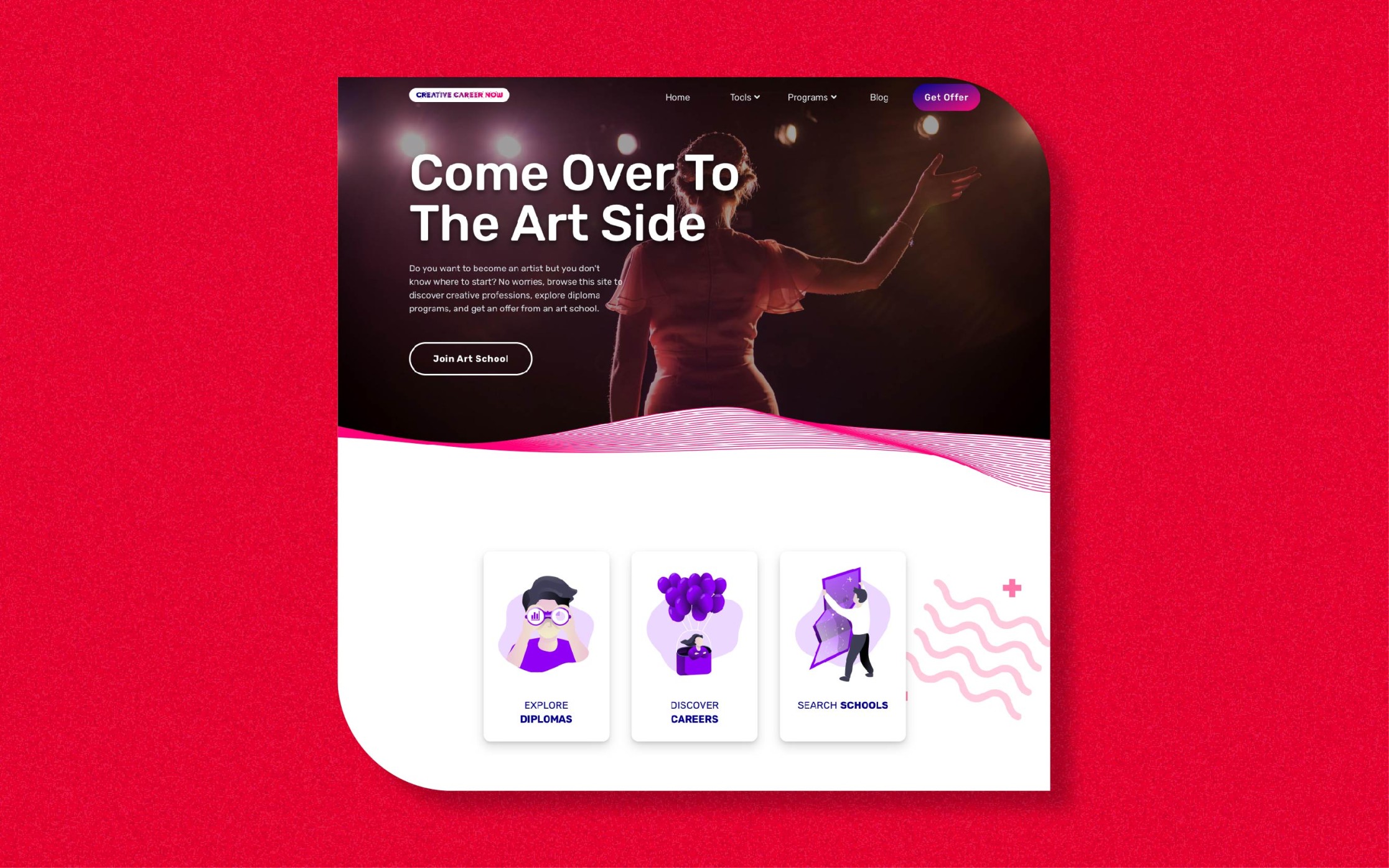
So I worked on the site from 6-9 every night, usually from one of Toronto's quirky cafes. Cafe Mocha and, occasionally, an order of cookies or chocolate brownies were my coworkers. Being an indiehacker, I had to do almost everything on my own: I was the coder, the designer, the paid media manager, the content writer, the SEO specialist, the conversion rate optimization lead etc. etc. of my company.
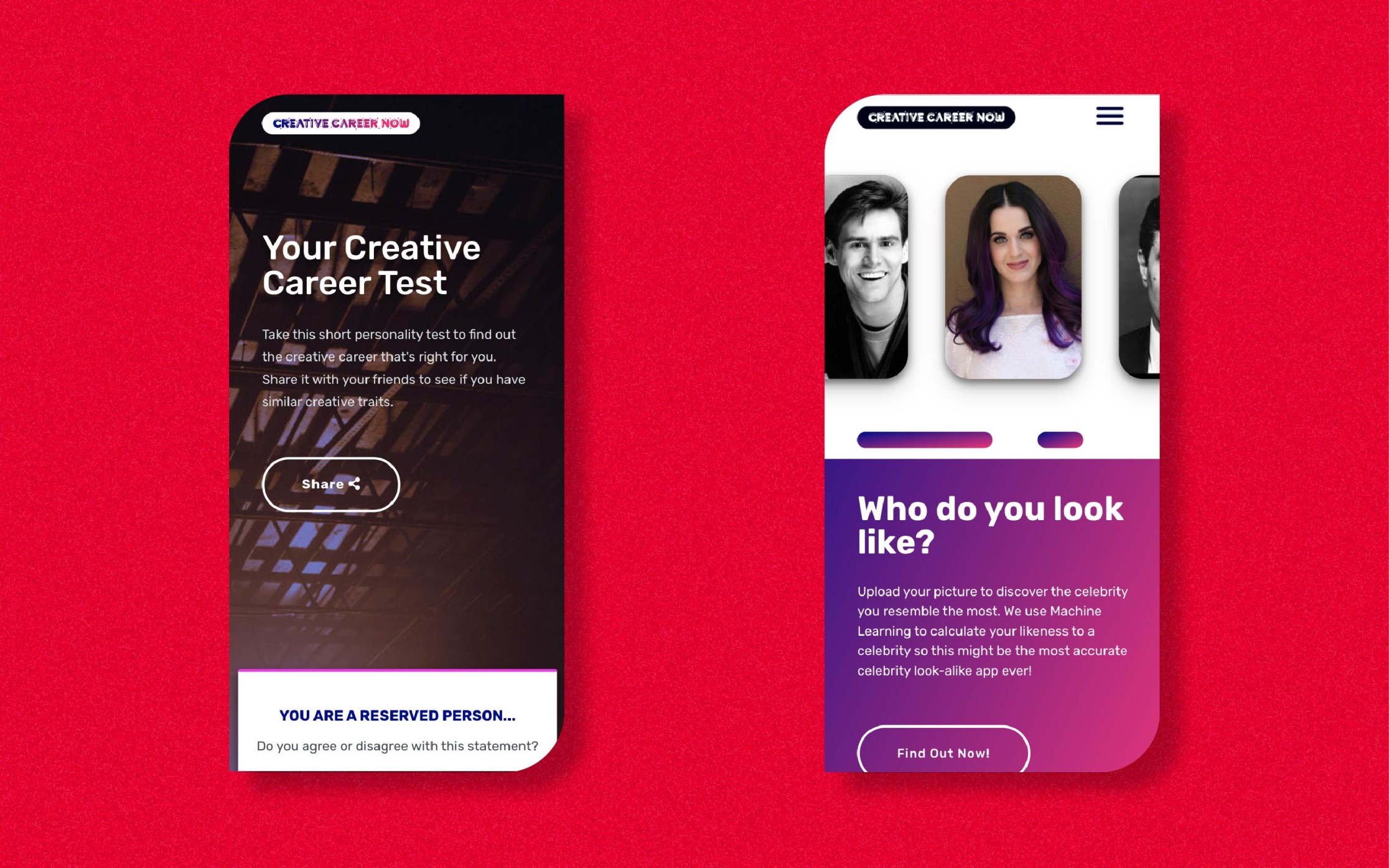
Working on the site was an excellent way to satisfy my itch to build cool stuff. I got carried away multiple times and ended up making four mini-apps for the website: from an ML-powered celebrity look-alike app to a creative personality test. All of those apps helped the site in one way or another. The celebrity look-alike app attracted scores of visitors, boosting the site's organic search rankings, and the personality test is supporting my Facebook's top of the funnel ad campaigns.
So what did I learn from a year of toil and tumble? Three lessons:
- The myth of passive income: Either I am extraordinarily unlucky, or there is no such phenomenon as passive income. Every step of the journey drained me to my core. Being a solo founder might have aggravated the situation. Regardless, I found myself on the brink of burnout on multiple occasions, and it was the sheer joy of building things and sharing my creations that kept me going.
- Dealing with uncertainty: I'll never forget the time when I was investing money on paid ads with absolutely zero guarantee of ever making that money back. The sum was meagre but it was enough to be a constant burden on my conscience. No matter what you're building and no matter how well you've mapped out your journey, there will always be moments when the fog of future becomes as thick as soup, and you'll have to rely on your optimism and your foolishness to carry you through.
- Patience and persistence: The conventional wisdom dictates that the world of business moves fast. In my experience, it moves unbearably slow. For example, I had to wait two months to receive a payment against my first invoice. The delay is understandable, finance departments have many processes and procedures in place, and opening new accounts will always take longer than expected. But I like to believe that the weekly follow up emails I sent, persistently, helped move the needle just a little bit.
So, what's next? Here are a few projects that I'm planning to work on:
- Creative Career Now was never meant to be just a lead aggregator website. Instead, I saw it as a training ground for an ML-enabled SAAS product. Thankfully, I'm in a position now where I can start working on phase 2 of the product. At this moment I can't reveal much, but hopefully, I'll have something to share with you soon.
- I've always been interested in conversational e-commerce. Affiliate marketers aka influencers help consumers avoid buyer's remorse, but they're unable to offer a hyper-personalized experience. Bots, on the other hand, can help guide consumers through their purchase journey in a more (ironically) intimate way. Imagine digital sales representatives for e-commerce - I want to build them.
- This last one is personal. My sister and many of my cousins went through the process of clearing medical board exams - as international medical graduates in western countries - before they were allowed to practice their profession. My wife is going through that process right now. At a given time, more than 50k aspirant immigrants are either taking foreign medical board exams or preparing for one. I want to build tools that'll help them in their journey. There's a surplus of doctors in the majority of Asian countries and a shortage of doctors in most Western countries - let's fix that.